Where Your Treasure Is: The Importance of Prayer
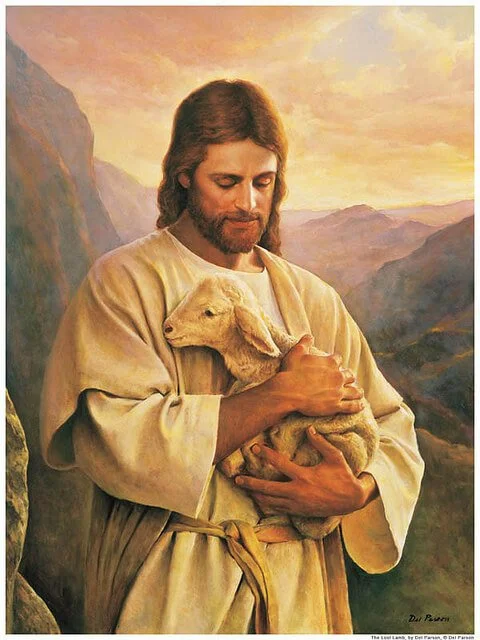
Jesus the Good Shepherd, https://waterfromrock.org/2014/11/10/knowing-the-father-like-jesus-knows-the-father/
Where does your identity lie? What is the biggest source of anxiety and stress in your day? What aspects of life matter the most to you? In other words, what is your treasure?
During Lectio Divina, or “divine reading,” in a Wednesday Bible study, a line jumped out from Luke 12 that has stuck with me since: “For where your treasure is, there also will your heart be” (Luke 12:34) (1). At the time, reading this in the context of trusting in God and relinquishing anxiety, I thought I totally understood the meaning: the things you deem most important in your life will be what you cast your focus, cares, and anxieties on the most.
While I was partly right, I didn’t realize the extent to which this verse was true.
It started with a simple pattern I remembered from high school. On the days that I had something important after school, such as a game, work, or an event, school-based tasks were less stressful. Exams carried less mental weight, homework assignments seemed more trivial, and getting ready in the morning was less important. Why was this? My treasure, the things I thought to be the most important in my day, changed, and my heart went with them.
This continued in other areas of my life, until I started noticing its impact on my identity as well. How a poor exam grade can ruin a weekend, the posting of an unflattering photo can bring storm clouds over the memory of a fun event, or a slightly insulting comment can be what sends me emotionally over the edge. Why do these things, arguably the lowest ranked on the “Things That Actually Matter” list, carry so much weight? Why do they affect me so much? Because they are so closely linked to my identity, or at least my perception of it. They are my treasure, and therefore their successes (or lack thereof) are what my heart rests (or turmoils) in.
“Where your treasure is, there also will your heart be.” This statement of fact has become more and more apparent since I read it. But what is more interesting and important is that we have control over our treasure, over what we place our identities in, and therefore where we can place our hearts to actually rest.
By this, I am referring to prayer. And not the simple prayers before bed and meals, though they are great in their own way. I am referring to the type of prayer where you sit in a chapel, at your desk, under a flowering tree, by the water, or wherever you feel at peace, and converse with God for as long as you can. Sit in silence, read a spiritual reflection book (I will never stop recommending I Believe in Love by Fr. Jean C. J. D’Elbee!), or journal about where you feel the most disturbed in life. Do whatever it takes to start remembering who you truly are: a beloved child of God the Father.
Yes, you have gifts. Yes, your vocation right now is student, athlete, leader, friend, professor, worker, or whatever position God has placed you in. Yes, living out this calling well is important. But it does not define you. These are not your treasures. Gifts, yes, but not treasures.
When this aspect of my prayer life thrives, my peace thrives with it. When I don’t prioritize it, I wonder why I feel more gray. Wherever you are in your spiritual walk, I invite you to journey with me towards a more intentional prayer life centered around your true identity, God’s infinite love and mercy, and the active reception of the transforming graces He wants to pour into you.
As you pray, read, write, and sit, listen to what God wants you to internalize: “You are mine. You were made good. I love you more than you could possibly imagine. I have a plan for you. Trust me.” With the tender love of a mother towards her child, God desires to place your heart in this bundle of love to rest.
