
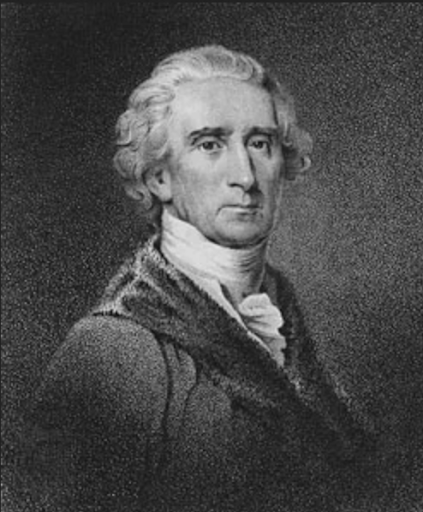
Imago Dei in the Declaration of Independence
As the 250th July 4th anniversary approaches, I find myself reading more about Jefferson and the ideas that inspired him in writing the Declaration of Independence.
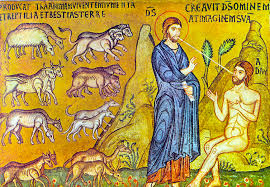
To Know and to Love
We are made for greatness; we are made to know and to love our creator; we are made for God.
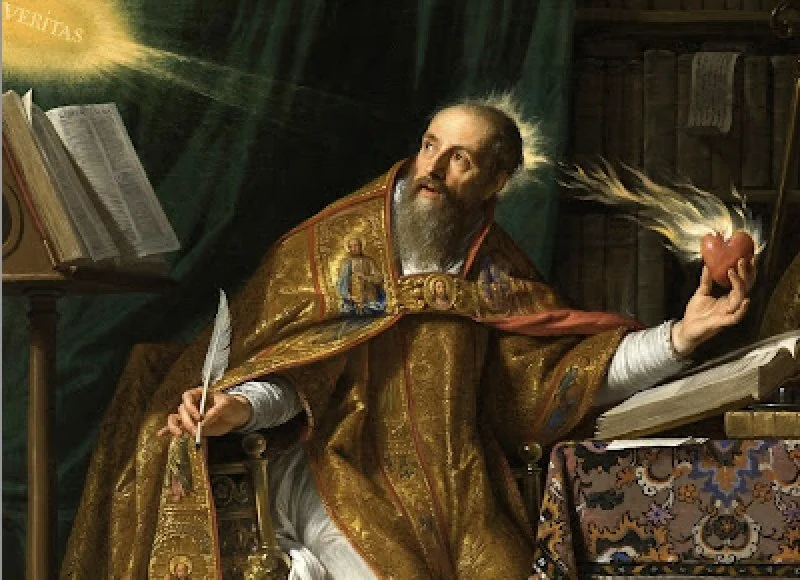
What We Ask Our Loves to Carry: Augustine and the Restless College Student
The issue, then, is not that we love bad things, but that we love good things in the wrong order.

Where Your Treasure Is: The Importance of Prayer
“Where your treasure is, there also will your heart be.” This statement of fact has become more and more apparent since I read it.
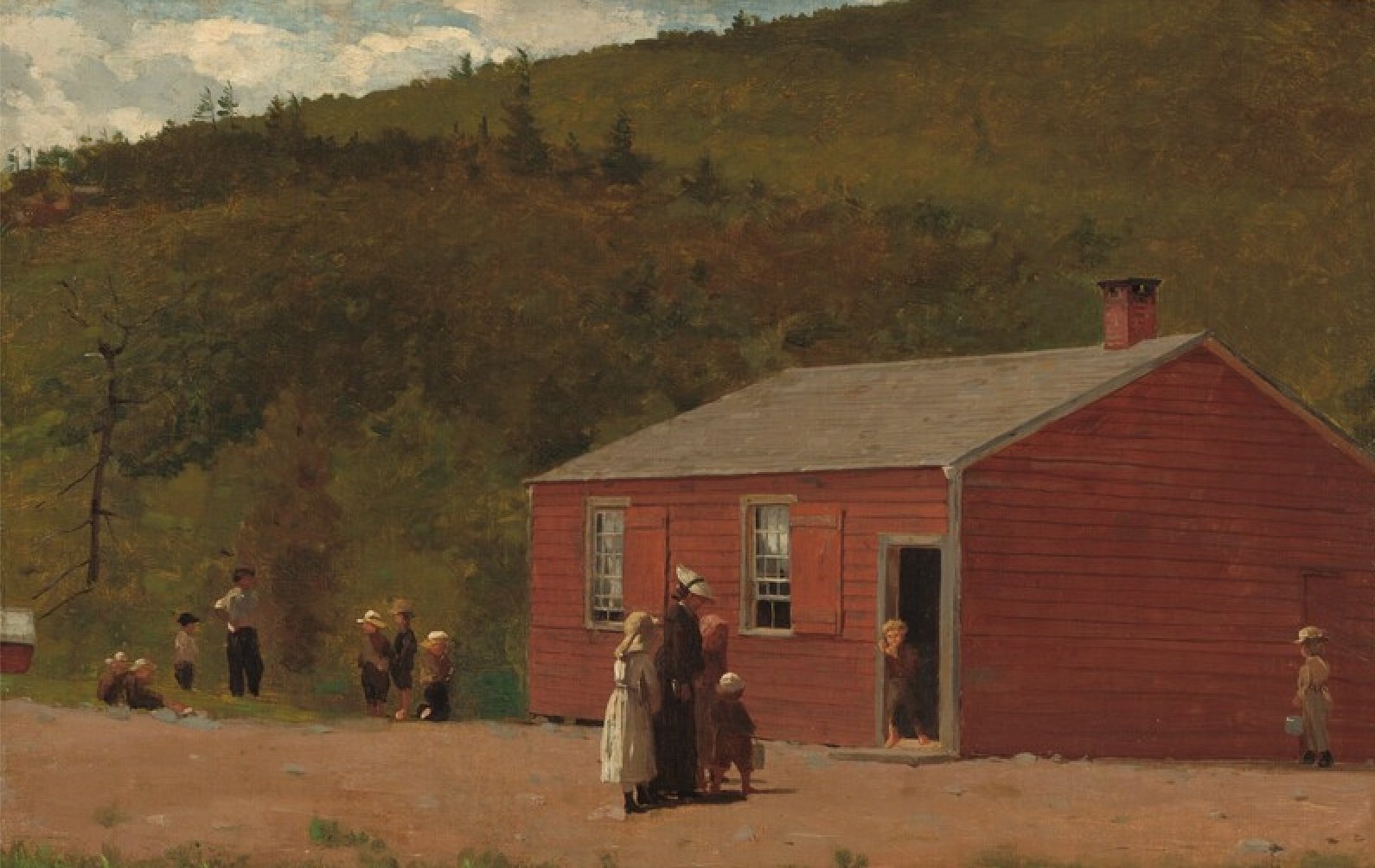
Life With (and Without) College
What I propose is not an expansion of my interests, […] but rather a translation of the successes of college life into working adulthood.

The Commodification of Community Service for College Applications
I worry that too many Catholic youth are commodifying service to achieve another goal: admission into one of America’s elite universities.
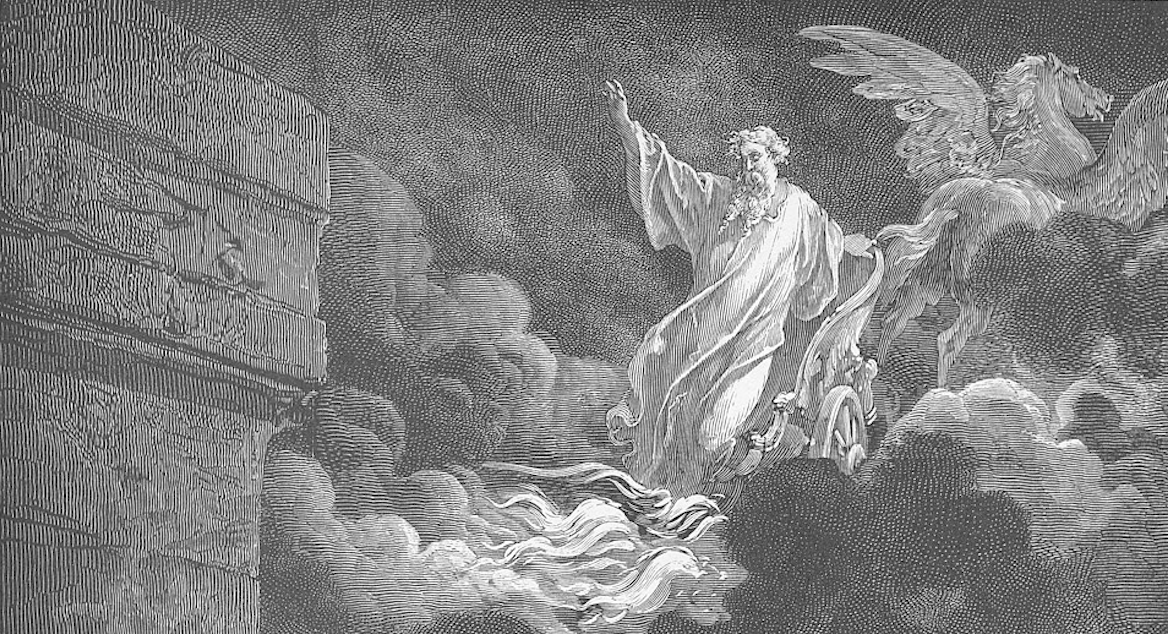
Where God Speaks
In a culture that glorifies busyness, silences can teach us something different, and bring us closer to something infinite.

“In God We Trust”: A Motto That Blurs the Line Between Church and State
Although the phrase does not specify a religion, its meaning is unmistakably religious, raising questions about whether it blurs the constitutional line separating church and state.

On Reading the Buddha’s Discourses and the Qur’an
Bhikkhu Bodhi speaks of two Buddhas in the earliest chapters of In the Buddha’s Words: a naturalistic, human teacher and his counterpart—a destined, divine saviour... It affirmed for me what I’d known in callower days: English could be rather beautiful.

The Gods Who Deceive
Lately I have found myself believing more and more in the reality of the demonic.

Chesterton’s Faith in the Common Man: Lessons for the Modern Student
In an anxious, achievement-driven age, Chesterton’s paradoxical wisdom calls us back to balance: to wonder over cynicism, conviction over confusion, humility over pride, and joy over despair.

Life’s Beauty, Inspired by Norm
Beauty is randomly distributed in life; be happy that you are not only able to experience it but treasure the surprise that comes along.

Accepting to Suffer When Loving
Suffering acquires a redemptive dimension as love gives meaning to suffering, whilst suffering itself reveals the true depth of love.

Lessons from Hungary: How Dictators Strangle Democracy with Christian Nationalism
In seeing how dangerous Christian nationalism has been for Hungary, Hungary must serve as a warning example for how Christian nationalism has the power to dismantle democracies.

Beauty by Algorithm: From Colonial Taxonomies to Instagram Face
Today's beauty industrial complex — filters, fillers, and constant self-surveillance — echoes a disturbing historical pattern where bodies become sites of classification, modification, and control.

Augustine, Sin, and the Mind
The way is hard, but the end is light. Augustine reminds us that healing the mind and finding truth requires not just reason, but divine assistance.

Present Everyone Mature in Christ: a Reflection on Christian Fellowship
As the Veritas Conference drew to a close, I began to reflect about my own calling into vocational pastoral ministry, and what exactly the purpose of the Church and ministry is.

Justice Served? The Presidential Turkey Pardon Re-examined
If lower forms of life seem to have some level of experience, judgment, and empathy, then are humans not special in kind, but only in the degree of their rational capacities?

Identity Politics and Tragedy: Terence’s Call for Shared Humanity
As I was reading through the comments on news articles reporting on one public tragedy after another, I was struck by the polarizing reactions. Rather than unifying around shared grief or compassion, today’s public tragedies often reveal and sometimes deepen societal rifts.

What Russian Political History Can Teach Americans About the Perils of Anti-liberalism
Today, tensions between Russia and the West are as high as ever. Scholars continue to ponder why Russia has developed differently than the west, despite being adjacent to it.
This entirely student-run blog is intended to be a lively space of engagement for our student fellows where they can freely experiment with ideas together. They should not be assumed to be equivalent with students’ own settled convictions, let alone with the views of the Collegium Institute itself.